A major new analysis of the January 2025 Los Angeles fires focuses on what happened in Los Angeles County—but many of its findings about homes, communities, evacuation, infrastructure and wildfire response deserve attention throughout Riverside County.
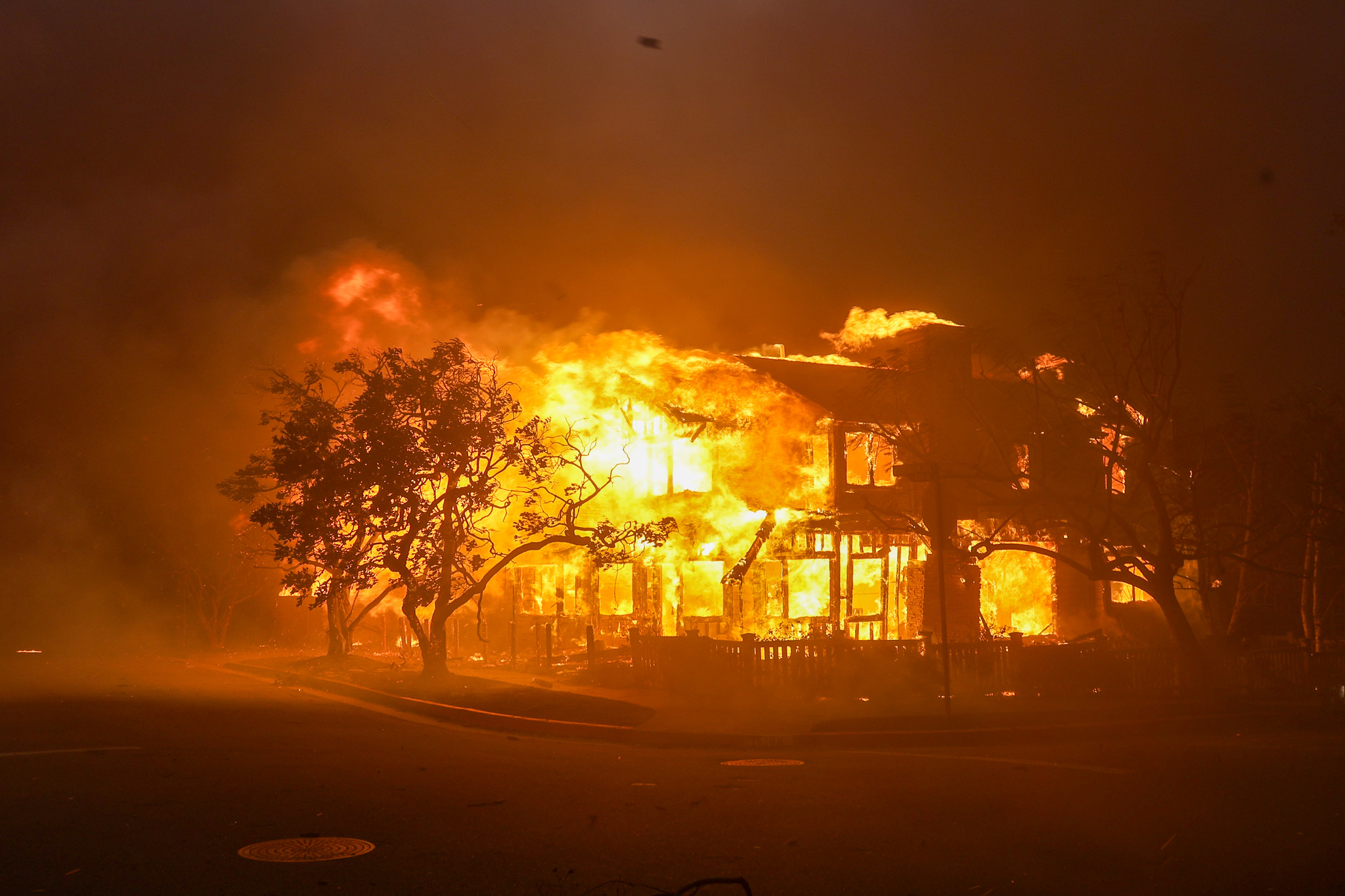
The October 2 release of the Southern California Fires Incident Analysis Report by UL Research Institutes’ Fire Safety Research Institute (FSRI) represents one of the most extensive examinations yet of the catastrophic January 2025 Southern California wildfires.
The report was commissioned at the request of the Office of the Governor of California and examines the Palisades and Eaton fires, along with the earlier Lachman Fire and the systems that influenced what happened before and during these incidents.
For people living in Riverside County, there is an important point to understand at the outset:
This may be a Los Angeles-focused report, but it is not just a Los Angeles story.
FSRI makes essentially the same point. Although its findings are based on the Los Angeles-area conflagrations, the organization says its recommendations and potential solutions should be considered by communities and jurisdictions facing wildfire risk elsewhere.
That makes the report important reading for Riverside County.
From the Santa Ana River corridor and foothill communities to the San Jacinto Mountains and communities throughout western Riverside County, the specific geography, agencies, infrastructure and risks may differ. But many of the larger questions are familiar: Are homes sufficiently hardened? Can neighborhoods withstand ember exposure? Do residents understand when and how to evacuate? Can information move quickly enough? Are vulnerable residents included in evacuation planning? Can infrastructure withstand a rapidly expanding incident? And are communities working together before the fire starts?
Those are not uniquely Los Angeles questions. They are Southern California questions.
The Entire Wildfire System Matters
Perhaps the most important conclusion in the FSRI report is that catastrophic wildfire can no longer be considered simply a vegetation-management or firefighting problem.
FSRI describes an interconnected system involving landscapes, communities, infrastructure, preparedness programs, emergency operations and the built environment. A strength in one area can be undermined by weakness somewhere else.
The January 2025 fires also demonstrated that wildfire risk increasingly operates at the neighborhood, community and regional level. Embers, interconnected fuels, structure-to-structure fire spread, infrastructure dependencies and evacuation challenges do not stop at property lines.
That principle has significant relevance for Riverside County. Homeowners absolutely have a role to play. Defensible space matters. Home hardening matters. Vegetation management matters. But a hardened home surrounded by an unprepared community can still be at risk.
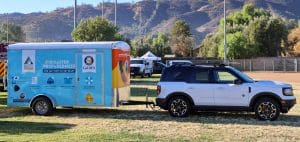
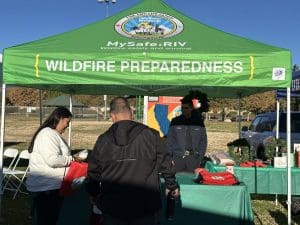
That is why MySafe:Riverside is working to expand wildfire resilience efforts beyond individual household preparedness and toward a broader model involving people, homes, neighborhoods, organizations, fire agencies and entire communities.
MySafe:Riverside Is Part of a Larger Southern California Effort
MySafe:Riverside is a division of the Safe Community Project, a nonprofit public-safety organization working to reduce risk and improve community resilience. The Safe Community Project also oversees MySafe:LA, its Los Angeles County division.
That relationship is particularly relevant to the FSRI report because MySafe:LA has worked with the Los Angeles City Fire Department for nearly two decades, often helping provide community-facing programs where departmental staffing, resources or dedicated budgets do not provide sufficient capacity. MySafe:LA also works with multiple other fire departments and NGO/NPO partners, as well as engaged fire departments.
The FSRI report specifically recognizes the role of LAFD’s partnership with MySafe:LA and other nonprofits in expanding wildfire preparedness and outreach. It also identifies the vulnerability of relying on externally funded organizations without sufficient long-term institutional support. FSRI recommends that partnerships such as the one with MySafe:LA continue while core governmental responsibilities receive stable departmental staffing and funding.
There is a lesson here for Riverside County as well. Effective wildfire resilience cannot depend on one organization. Fire departments have critical responsibilities. So do emergency managers, law enforcement agencies, utilities, elected officials, nonprofit organizations, Fire Safe Councils, Firewise USA communities, homeowners and neighborhood leaders.
The challenge is connecting those capabilities into a system that works. That is an important part of what MySafe:Riverside is working to accomplish.
From Individual Parcels to Resilient Communities
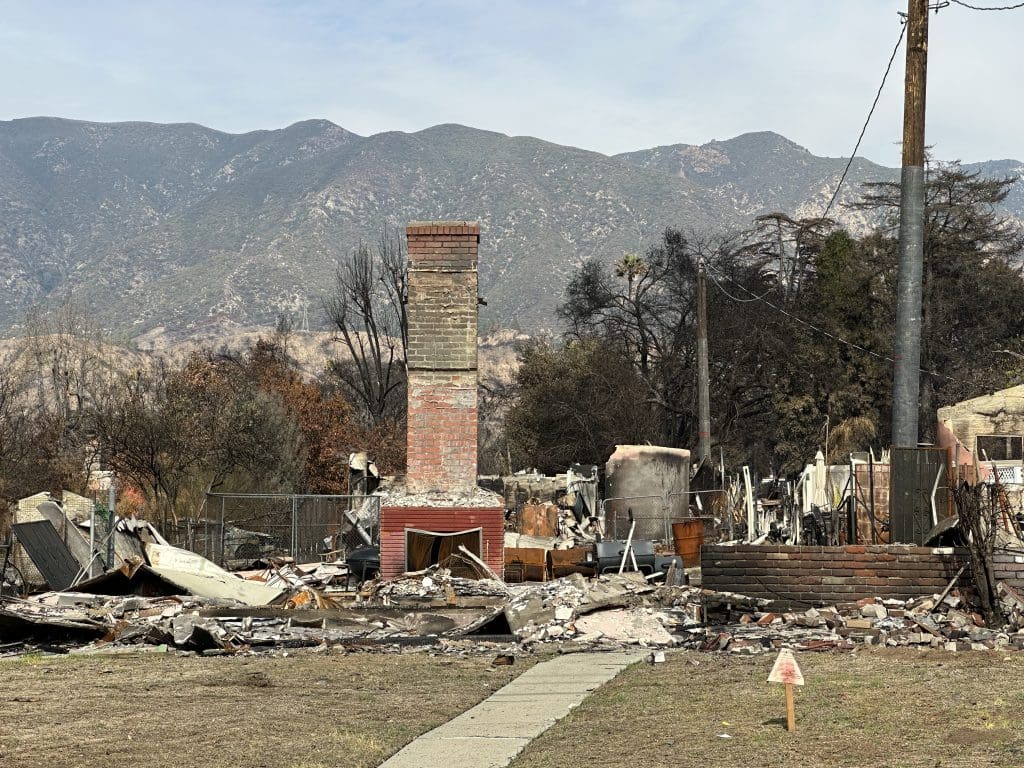
The FSRI analysis found that wildfire risk increasingly crosses parcel boundaries. A homeowner can clear vegetation and make substantial improvements to a structure, but fire can still move through ornamental vegetation, fences, accessory structures, vehicles, neighboring structures and other interconnected fuels.
FSRI therefore calls for greater emphasis on community-scale resilience, rather than measuring success primarily through individual-property compliance.
That distinction is particularly useful for Riverside residents. Defensible space remains important, but it should increasingly be combined with home hardening, ember resistance, neighborhood organization, evacuation planning and community-scale mitigation.
The objective should not simply be a compliant property. It should be a more survivable community.
Preparedness Is About People, Too
Some of the report’s most consequential findings have little to do with vegetation. FSRI emphasizes evacuation preparedness, public warning systems and assistance for people with access and functional needs. It also recognizes the importance of community preparedness and communication.
That matters because resilience includes something that cannot be installed with concrete, steel or technology: social capital.
Do you know your neighbors? Do you know who might need help? Does someone nearby have mobility limitations? Who has animals? Who might not receive an alert? Does your neighborhood have a way to communicate when normal systems become overwhelmed?
Technology is increasingly important, but an application on a smartphone cannot replace a prepared household or a connected neighborhood.
MySafe:Riverside intends to continue expanding this human component of wildfire resilience alongside home assessments, defensible-space education, Fire Safe Council development, Firewise participation, evacuation readiness and community planning.
Technology and Situational Awareness Matter
Another important lesson from Los Angeles involves information. The report recognizes the growing role of third-party platforms and other technologies in giving residents and responders better situational awareness. More broadly, FSRI calls for improvements in wildfire intelligence, decision support, public warning and regional coordination.
The specific technology environment will vary between Los Angeles and Riverside counties. The larger lesson does not. People need timely, credible information, and emergency organizations need the ability to collect, understand and share information quickly enough to make decisions during rapidly changing incidents.
But technology should support preparedness—not become a substitute for it.
Recommendations Are Not Mandates
It is equally important to understand what the FSRI report is not. FSRI is a research organization. The report’s recommendations are not regulations or orders imposed on Riverside County, Los Angeles County, local fire departments or the State of California. They are recommendations.
Some may be relatively straightforward to implement. Others could require new policies, research, technology, personnel, infrastructure or significant long-term investment. And that leads to an unavoidable question: Who will pay for them?
It is one thing to recommend additional staffing, better infrastructure, improved technology, more research, stronger community programs and expanded preparedness. It is another to fund those capabilities year after year.
State and local governments will have to determine which recommendations to pursue, what they will cost and whether funding comes from existing budgets, new appropriations, grants, state and federal programs, utilities, philanthropy, private investment or some combination of those sources.
The same problem exists at the nonprofit and community level. MySafe:Riverside is expanding its wildfire-resilience work, but building the capacity necessary to support Riverside County over the long term will require sustainable resources.
Assigning responsibility without providing capacity is not the same thing as implementation.
Los Angeles Has Already Been Making Changes
There is another important limitation readers should keep in mind. The FSRI report primarily examines the circumstances surrounding the January 2025 fires. It should not be interpreted as a comprehensive inventory of everything Los Angeles has changed since then.
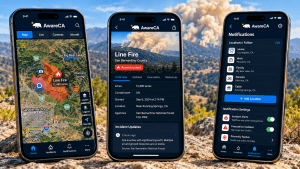
The City of Los Angeles and the LAFD have continued improving capabilities following the fires, including technology and situational awareness at Metro Fire Communications and among resources operating in the field. The City is also making use of platforms including Genasys Protect, AwareCA, Watch Duty and other technologies as part of its evolving emergency-information and response environment.
That distinction matters because after-action analysis should identify shortcomings and opportunities without suggesting that agencies have simply waited for the final report before making changes.
The same principle should apply in Riverside County: We do not have to experience the same disaster before learning from it.
REBUILD:LA Isn’t Just for Los Angeles
People throughout Riverside County can also learn from what is happening next door.
The Safe Community Project’s REBUILD:LA podcast examines recovery, rebuilding, wildfire preparedness, public policy, community resilience and the lessons emerging from the January 2025 fires.
Despite its Los Angeles name, the lessons discussed on REBUILD:LA frequently extend far beyond Los Angeles County. Regardless of where you live, there is much to be learned from these conversations.
For Riverside residents, they provide an opportunity to understand what another major Southern California region is experiencing—and to consider which lessons can be applied before the next major wildfire occurs closer to home.
The Most Important Question: What Happens Next?
California does not lack wildfire reports. The FSRI analysis itself examined historical after-action reports and found recurring operational and organizational challenges. It concludes that after-action processes need a formal mechanism for tracking recommendations and implementation over time.
That may ultimately be one of the most important lessons for Riverside County. A report does not create resilience. Implementation does.
So the questions following this report should be practical: What did we learn? Which recommendations apply here? What will they cost? Who will pay for them? Who will be responsible for implementation? Are those organizations sufficiently staffed and funded? How will progress be measured? And how will residents know whether anything actually changed?
Those questions should be asked in Los Angeles. They should also be asked in Riverside.
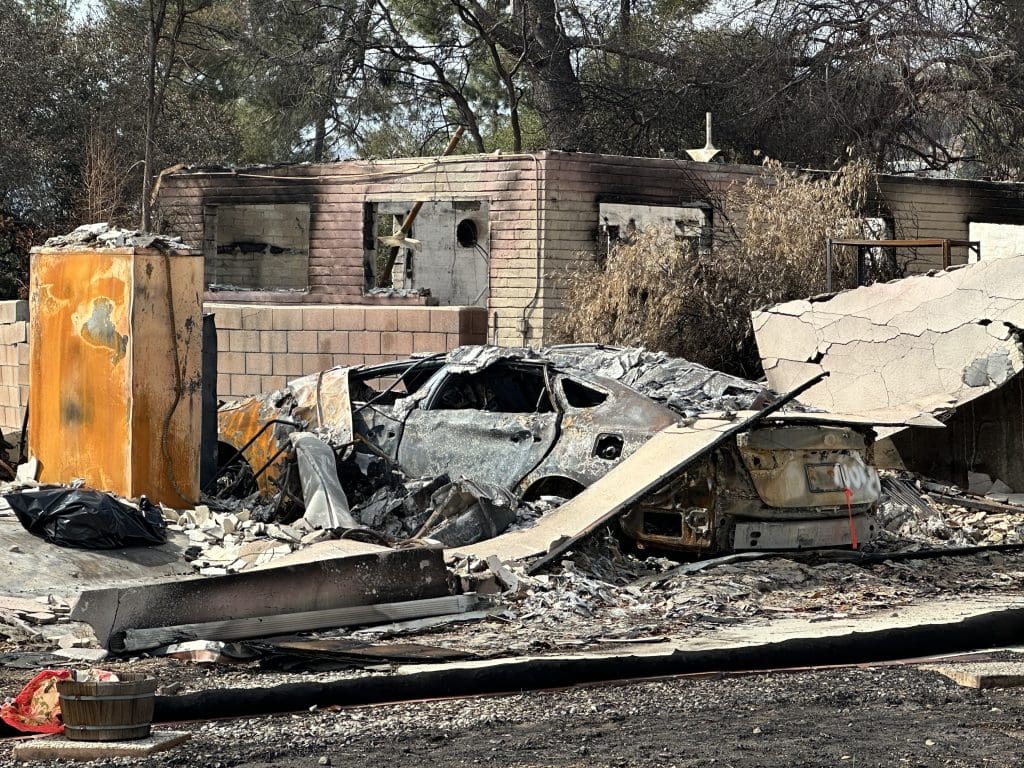
Learning Before the Next Fire
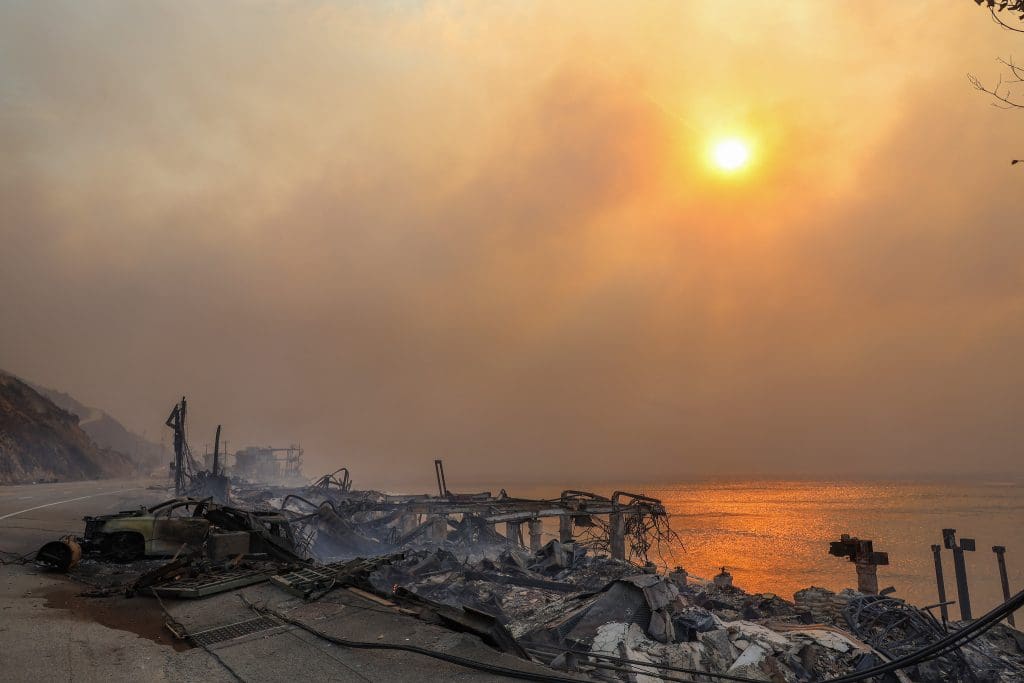
The January 2025 fires demonstrated what can happen when an extreme wildfire outruns assumptions developed for a different environment.
FSRI’s central conclusion is that no single intervention can eliminate wildfire risk. Resilience instead depends upon strengthening the entire system—landscapes, communities, infrastructure, preparedness, emergency management, decision-making and response.
That is a lesson MySafe:Riverside intends to carry forward.
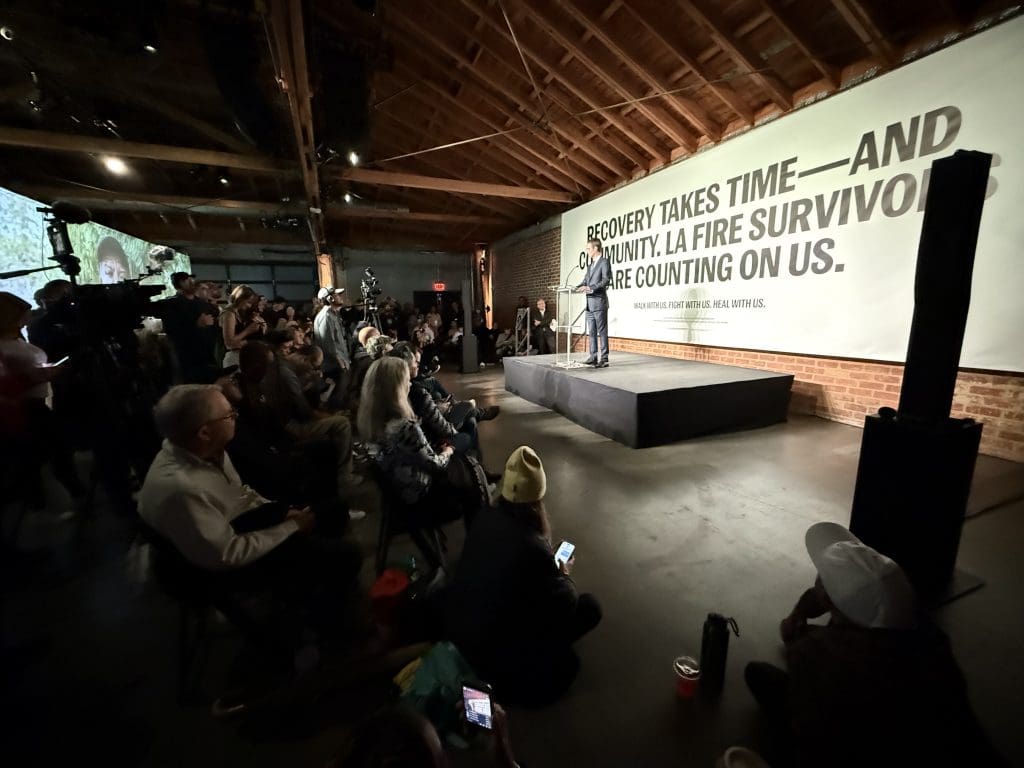
Working with Riverside County fire departments, public officials, Fire Safe Councils, Firewise communities, nonprofit organizations and residents, MySafe:Riverside is working to expand the wildfire resilience factors that affect people throughout the county: preparedness, mitigation, home hardening, defensible space, evacuation readiness, community organization, education and long-term planning.
Los Angeles paid an extraordinary price for many of the lessons contained in this report. Riverside County has an opportunity to learn from them before the next major fire.
That may be one of the most valuable things we can take from the FSRI analysis.